
Critical Illness Cover vs Life Insurance: Which Do You Need? sets the stage for this enthralling narrative, offering readers a glimpse into a story that is rich in detail with casual formal language style and brimming with originality from the outset.
This comparison delves into the nuances of critical illness cover and life insurance, shedding light on the key aspects that individuals need to consider when making a decision regarding their financial security.
Critical Illness Cover
Critical illness cover is a type of insurance policy that provides a lump sum payment if the policyholder is diagnosed with a specified critical illness during the term of the policy. It is designed to help individuals and their families cope financially in the event of a serious illness.
Key Differences Between Critical Illness Cover and Life Insurance
- Critical illness cover pays out a lump sum if the policyholder is diagnosed with a specified critical illness, while life insurance pays out a lump sum upon the death of the policyholder.
- Critical illness cover is designed to provide financial support during the policyholder's lifetime if they are diagnosed with a critical illness, whereas life insurance provides financial protection to the policyholder's beneficiaries after their death.
- While critical illness cover focuses on providing financial assistance for medical treatment and recovery, life insurance aims to offer financial security to the policyholder's loved ones in the event of their death.
Types of Critical Illnesses Covered by Critical Illness Policies
- Cancer
- Heart attack
- Stroke
- Organ transplant
- Paralysis
- Major organ failure
Benefits of Having Critical Illness Cover in Addition to Life Insurance
- Provides financial support for medical treatment and recovery if the policyholder is diagnosed with a critical illness.
- Helps cover additional expenses such as home modifications or alternative treatments not covered by health insurance.
- Offers peace of mind by ensuring financial stability during a challenging time, allowing the policyholder to focus on recovery without worrying about financial burdens.
Life Insurance
Life insurance is a financial product that provides a lump sum payment to the designated beneficiaries upon the death of the insured individual. The policyholder pays regular premiums to the insurance company in exchange for this coverage.
Types of Life Insurance
- Term Life Insurance: Provides coverage for a specific period (e.g., 10, 20, or 30 years). If the insured individual dies during the term, the beneficiaries receive the death benefit.
- Whole Life Insurance: Offers coverage for the entire lifetime of the insured individual. It also includes a cash value component that grows over time.
- Universal Life Insurance: Combines a death benefit with a savings component that earns interest. It offers flexibility in premium payments and death benefits.
Situations Where Life Insurance is Beneficial
- Income Replacement: Life insurance can help replace lost income for dependents when the primary earner passes away.
- Debt Repayment: It can be used to pay off outstanding debts such as mortgages, loans, or credit card balances.
- Estate Planning: Life insurance can provide liquidity to cover estate taxes or other expenses upon the insured individual's death.
Coverage and Payouts
Critical illness cover typically provides coverage for a specific list of critical illnesses and conditions, such as cancer, heart attack, stroke, and organ failure. If the policyholder is diagnosed with one of the covered illnesses during the policy term, a lump sum payout is made to help cover medical expenses, loss of income, or other financial needs during recovery
Coverage and Payouts for Critical Illness Cover
- Specific list of critical illnesses covered
- Lump sum payout upon diagnosis
- Intended to cover medical expenses and loss of income
Life insurance, on the other hand, provides coverage for the policyholder's death. In the event of the policyholder's death during the policy term, a lump sum payout, also known as the death benefit, is made to the beneficiaries listed in the policy.
This payout can help replace the policyholder's income, cover funeral expenses, or provide financial security for the family left behind.
Coverage and Payouts for Life Insurance
- Death benefit paid to beneficiaries upon the policyholder's death
- Intended to provide financial security for the family
- May also cover funeral expenses and outstanding debts
When comparing critical illness cover with life insurance, it's important to note that critical illness cover focuses on providing financial support in the event of a serious illness diagnosis, while life insurance offers financial protection in the event of the policyholder's death.
Both types of policies provide lump sum payouts, but the circumstances triggering the payout differ significantly.
Considerations When Choosing
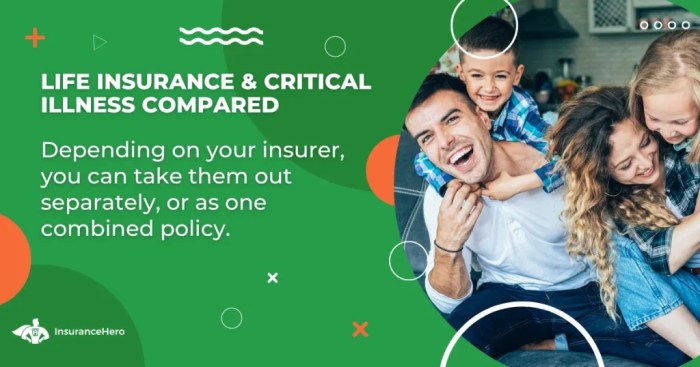
When deciding between critical illness cover and life insurance, there are several factors to consider to make the right choice based on individual needs.
Age, Health, and Lifestyle Impact
- Age: Younger individuals may prioritize critical illness cover to protect against unexpected health issues, while older individuals may lean towards life insurance for financial security for their loved ones.
- Health: Those with pre-existing medical conditions might find critical illness cover more beneficial, as it provides a lump sum payout upon diagnosis of a covered illness. Life insurance, on the other hand, may be more suitable for healthier individuals looking to secure their family's future.
- Lifestyle Choices: Risky lifestyle choices such as smoking, excessive drinking, or engaging in dangerous activities can influence the choice between the two. Critical illness cover may be more appealing to individuals with higher health risks, while life insurance can provide peace of mind for those leading a healthier lifestyle.
Determining Suitable Coverage
- Assess your current health status and family medical history to understand potential risks and needs.
- Evaluate your financial obligations, such as mortgage payments, debts, and dependents, to determine the amount of coverage required.
- Consider your long-term goals and financial objectives to align the type of coverage that best suits your needs.
Conclusion
In conclusion, the choice between critical illness cover and life insurance is a pivotal decision that impacts one's financial well-being. By understanding the differences and benefits of each, individuals can make an informed choice that aligns with their needs and priorities.
Common Queries
What is the purpose of critical illness cover?
The purpose of critical illness cover is to provide financial protection in the event of being diagnosed with a serious illness covered by the policy.
How do payouts work for critical illness cover policies?
Payouts for critical illness cover policies are typically made as a lump sum payment upon diagnosis of a covered critical illness.
What factors should be considered when choosing between critical illness cover and life insurance?
Factors such as age, health status, lifestyle choices, and financial obligations should be taken into account when deciding between critical illness cover and life insurance.